The Crayonz JournalStart a brand
How to Start a Clothing Brand in India
The practical order of operations for starting a clothing brand in India, including the part most lists skip: what it actually costs to register, and the honest tradeoff between holding stock and print on demand.
By the Crayonz team7 min read
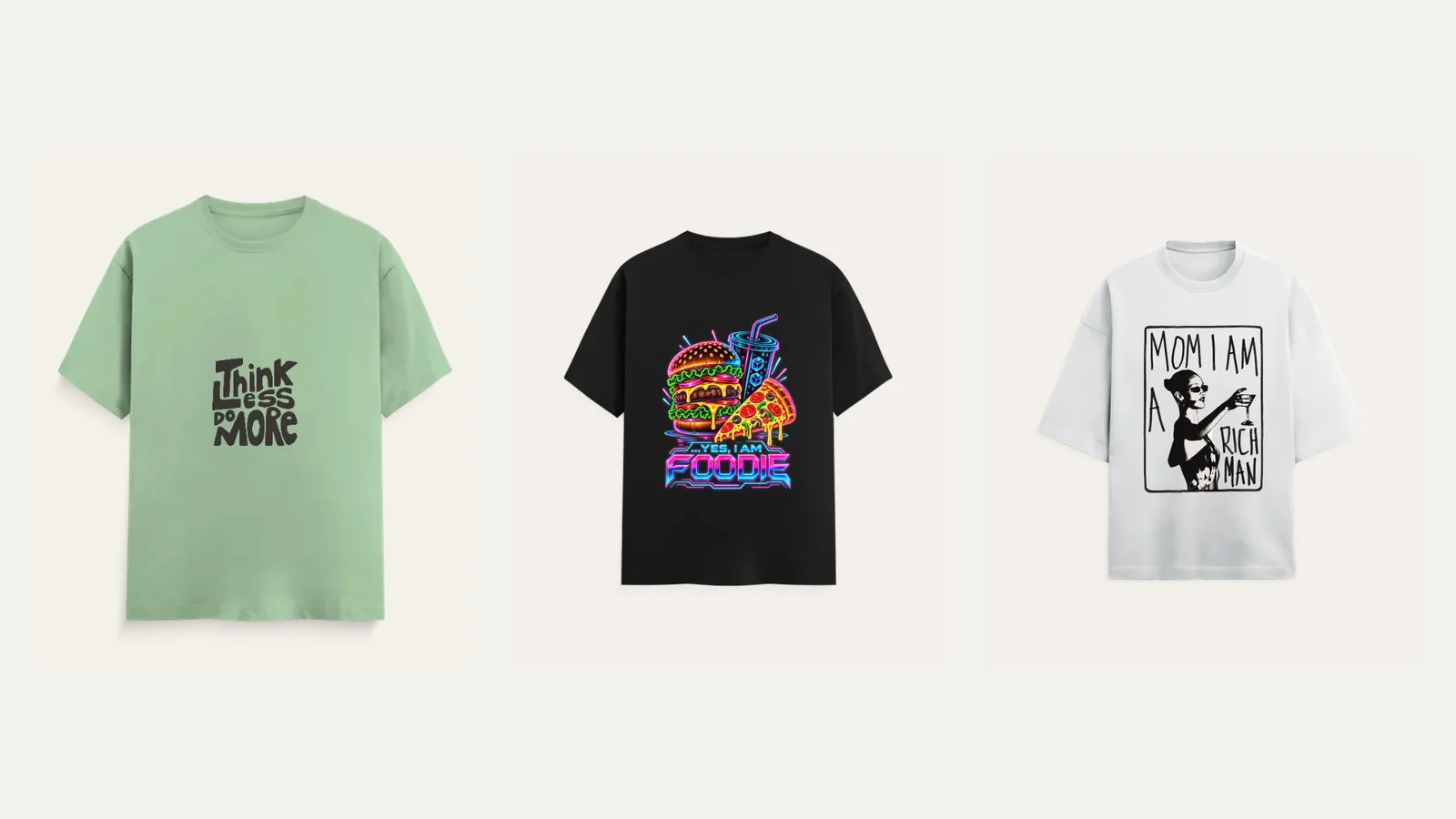
A clothing brand needs a name, a few designs people actually want, and a way to get those designs onto a shirt and into a buyer's hands. None of that requires a warehouse full of stock on day one. What follows is the practical order: pick who you're designing for, make the first few pieces, test whether anyone wants them before you commit money to bulk stock, then decide how to register and where to sell.
This isn't a promise of a six-figure brand by next month. It's the sequence, including the part most guides skip: the real tradeoff between holding inventory and using print on demand, and what registration and GST actually cost versus what most people assume they cost.
Pick a niche and an audience you can actually reach
"Clothing brand" is not a niche. It is a category with thousands of entrants competing for the same generic customer. A niche is specific enough that you could name ten people who would buy the first design: hostel roommates who would wear an inside joke, a running club, people who collect retro film posters, cat owners who want their cat's face on a hoodie.
A quick test for a real niche: can you name the exact Instagram hashtags, subreddits or group chats where that audience already spends time? If you can't picture where you would post the first photo, the niche is still too broad.
- A specific sport or hobby community, not "fitness" in general: a bouldering gym, a five-a-side football league, a local running club.
- A specific fandom or genre, not "anime" in general: one show, one game, one era of music.
- A specific in-joke or shared experience your own friend group already has, which a wider audience happens to share too.
- A specific profession's dark humour: the running jokes inside one job, not office humour in general.
- A specific pet type or breed community, since pet-owner audiences buy for their pet, not just for themselves.
Design the first few pieces
You don't need formal design training to start. A strong first design is usually one idea executed cleanly, not five ideas crammed onto one print: a single bold line of text, a simple illustration, a clean photo treatment. Busy art is also the kind that prints muddy at smaller sizes.
If you can sketch, scan it and clean it up. If you can't, the studio turns a typed description into a print-ready design in about a minute, and you still place, resize and recolour it yourself before it goes anywhere near a garment.
Test demand before you buy any stock
The most expensive mistake in starting a clothing brand is ordering fifty units of a design nobody asked for. Before any bulk order, put the design in front of real people and see if they would actually pay for it: post it with a straightforward "would you buy this" caption, open a short pre-order with a deadline, or list it somewhere it only gets made once someone orders it.
Inventory vs print on demand: the honest tradeoff
There are two ways to get a design onto a shirt someone can buy. Buy blank garments in bulk, get them printed, and hold the finished stock yourself. Or list the design on a print-on-demand platform, where nothing is made until a customer orders it.
| Factor | Buying inventory upfront | Print on demand |
|---|---|---|
| Upfront cost | You pay for blanks, printing and storage before a single sale | Nothing to buy upfront; listing is free |
| Margin per piece | Usually higher once you are ordering in real bulk | Lower, since the per-piece price already includes printing, packing and shipping |
| Control over the blank garment | You choose the exact fabric, fit and supplier | You choose from the platform's existing garment range |
| Risk if a design doesn't sell | You are holding unsold stock | None: nothing was made |
| Minimum order | Usually a bulk minimum per design | None; one piece is normal |
Neither is universally better. Inventory wins once you know a design sells and want the lower per-piece cost of a bulk order. Print on demand wins while you are still finding out which designs sell at all, since a design that goes nowhere costs you nothing beyond the time it took to make it.
What you actually keep per piece
On the Crayonz marketplace, listing a design costs nothing. Each garment has a base price covering the blank, the print, payment processing and shipping. You set the price it sells at above that base, and you keep the whole difference. There is no percentage cut on top.
| Garment | Base price | Example listing price | You keep |
|---|---|---|---|
| Classic T-Shirt | ₹615 | ₹1,015 | ₹400 |
| Classic Polo | ₹755 | ₹1,155 | ₹400 |
| Classic Heavyweight Hoodie | ₹1,030 | ₹1,430 | ₹400 |
| Classic Sweatshirt | ₹855 | ₹1,255 | ₹400 |
Our base prices from crayonz.ai/sell, verified 2026-10-02; the worked example above sets each listing ₹400 over base, but you set your own price above the base for every garment. Payouts go out every Monday through Cashfree once your balance clears ₹100 and your payout details are verified.
Pricing above the base is a judgement call, not a formula. Look at what similar-quality graphic apparel actually sells for in your niche, not the cheapest plain tee on a general marketplace. A design with real demand behind it can carry a bigger margin than a safe, generic one; a brand-new, untested design usually sells faster priced closer to the base while you are still finding out whether it works at all.
Registration and GST: what it actually costs
Most new clothing brands over-estimate what registration costs before they have made a single sale. A sole proprietorship, run under your own name or a trade name with a current bank account, is already a legal business; you do not need to incorporate a private limited company to start selling.
MSME (Udyam) registration is free and takes a few minutes online with your PAN and Aadhaar. It opens up priority lending and a few government schemes, but it is not compulsory to sell.
GST registration carries no government fee, but read the threshold carefully. The ₹40 lakh a year limit for goods (₹20 lakh for services, lower in a few special category states) only covers sellers who stay inside one state. If you sell your own stock to customers in other states, or through an e-commerce marketplace, registration is compulsory from the first sale, whatever your turnover (source). An online clothing brand shipping across India is usually in that second group, so plan for a GSTIN before you launch your own store.
A trademark on your brand name is optional, worth filing once you are spending real money on marketing under that name. The official e-filing fee is ₹4,500 per class for an individual, startup or small enterprise, and ₹9,000 for anyone else (source).
Where you actually sell
Three channels do most of the early work for a new brand: a marketplace that already has buyers browsing, Instagram, where most Indian graphic-apparel brands actually get found, and your own store once you know what is selling.
The Crayonz marketplace puts a listing in front of people already shopping for custom and graphic apparel, with no stock held on your side and nothing to pay to list. Instagram is where you build the audience that eventually buys direct; posting the design process, not only the finished product, is what gets people to follow a brand instead of scrolling past it.
A clothing brand business plan that fits on one page
A formal business plan with five-year projections is not what a new clothing brand needs before its first sale. A one-page version, answered honestly, covers the same ground and takes an afternoon.
- Who exactly are you designing for, named specifically rather than as a demographic.
- What are the first three designs, and why would that specific audience want each one.
- What does each garment cost you at base, and what price are you listing it at.
- Where will the first hundred people see it: which account, which hashtag, which group chat.
- How will you know within two weeks whether it worked: orders, saves, replies, or pre-order sign-ups.
- What happens next if it works (reorder, expand the range) and if it does not (change the design, change the niche, or both).
That plan changes as you learn what your audience actually responds to, which is the point. The value is in writing it down before you spend money, not in getting it right on the first attempt.
Your first 30 days
- Write down the specific person you are designing for, not a demographic.
- Make two or three designs around that one niche, not ten unrelated ones.
- List them for ₹0 upfront on a print-on-demand marketplace, or open a short pre-order.
- Post the designs where that specific audience already spends time, and watch what gets saved or replied to, not just liked.
- Once one design has real orders, decide whether a bulk reprint makes sense or print on demand stays cheap enough to keep running.
- Before you sell your own stock to another state or through a marketplace, register for GST. It is free, and it is compulsory from the first such sale.
A clothing brand does not start with a warehouse. It starts with one design, in front of the right ten people, and proof that they would pay for it.
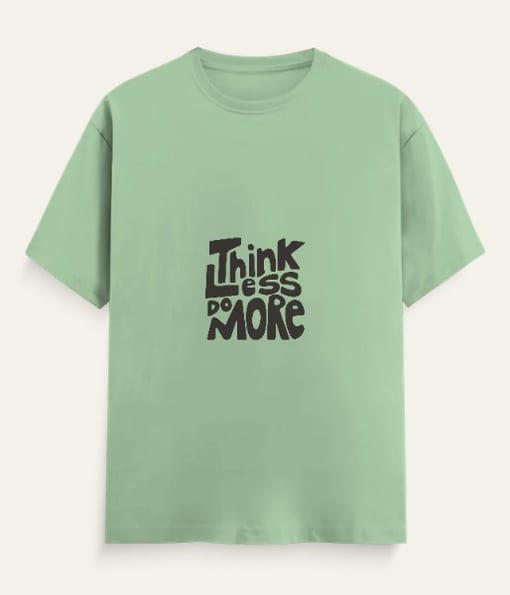
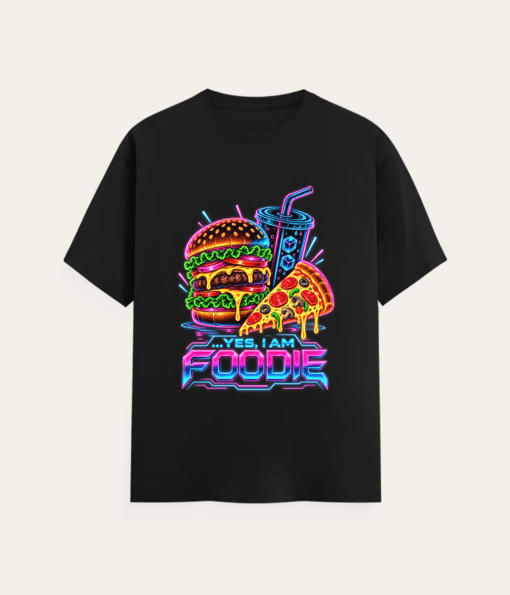
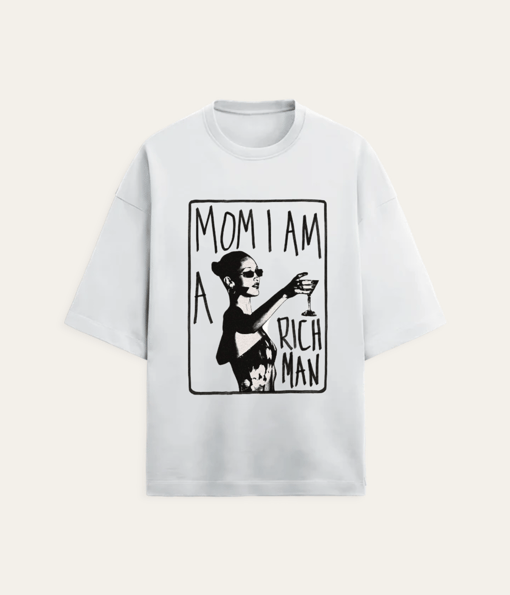
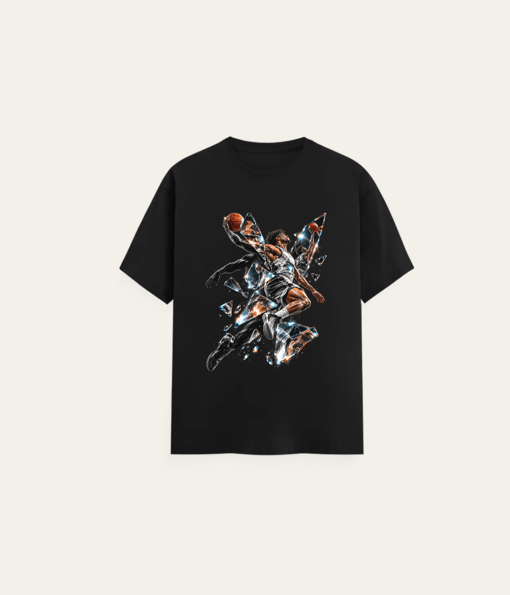
What an early creator listing looks like
Questions people ask
Do I need to register a company before I start selling clothes?
No. A sole proprietorship with a current bank account is enough to start. Formal incorporation only matters once the business is big enough to need that structure.
How much does GST registration cost in India?
There is no government fee. Selling your own goods to customers in other states, or through an e-commerce marketplace, needs registration from the first sale whatever your turnover. The ₹40 lakh threshold for goods applies only to sellers supplying within one state.
Should I buy inventory or use print on demand to start?
Print on demand while you are still testing which designs sell, since nothing is made until someone orders it. Inventory once a design has proven demand and you want the lower per-piece cost of a bulk order.
Is a trademark necessary before I start selling?
No. It is worth filing once you are spending money on marketing under the brand name; the official e-filing fee is ₹4,500 per class for an individual, startup or small enterprise.
Where should I sell my first designs?
A marketplace that already has buyers, plus Instagram to build an audience you can eventually sell to directly. A dedicated storefront comes later, once you know what is selling.
Your idea, on a shirt, this week.
Upload a photo or describe it. One piece, no minimum, arrives in 4 to 8 days across India.