The Crayonz JournalStart a brand
Print on Demand Business in India: How It Works
What print on demand actually is, what it costs to start one in India, and the questions worth asking any platform before you list a design.
By the Crayonz team6 min read
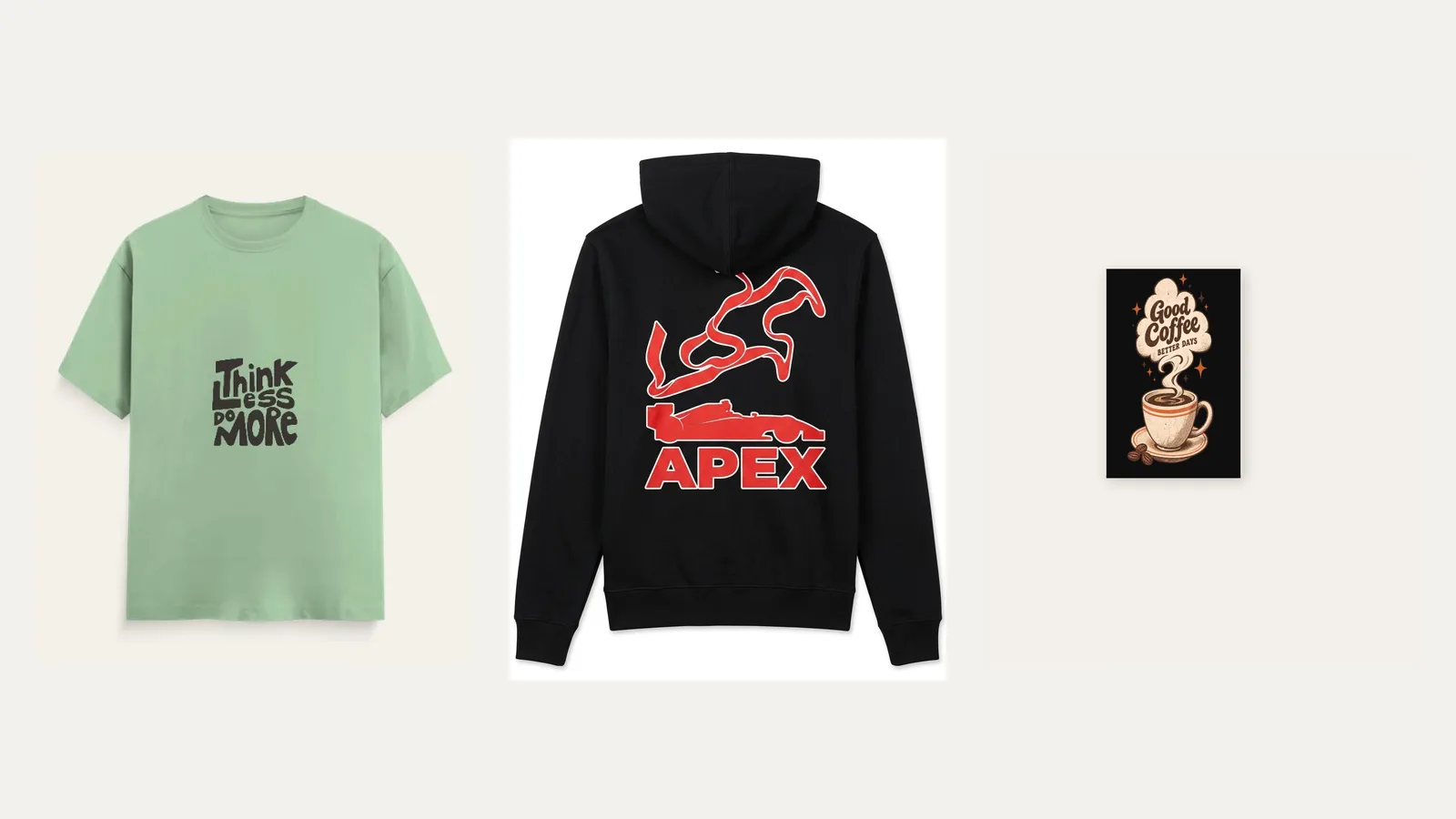
Print on demand means a design only gets made after someone buys it. You upload or generate a design once, a buyer orders a shirt, a hoodie or a mug printed with it, and the platform prints, packs and ships that single piece. Nothing sits in a warehouse waiting to sell.
That is the whole mechanism. The rest of this is what it actually costs, what makes a listing sell, and what to check before you decide where to list.
It is also worth separating print on demand from dropshipping, since the two get confused often. Dropshipping usually means reselling someone else's existing, generic product at a markup. Print on demand means your own design, on a product that is made specifically because of that design; the design is the product, not the garment underneath it.
How print on demand works, step by step
- You create a design, by uploading your own artwork or describing an idea for AI to draw.
- You place it on a garment or product inside the platform's design tool and set your price above the base price.
- The listing goes live with no stock made and no payment to you yet.
- A buyer orders it. The platform charges the buyer, prints that one piece, and ships it.
- You get paid your margin, on whatever payout schedule the platform runs.
The only step that takes real time is the first one. Placing the design, picking colours and publishing a listing is usually a matter of minutes once the artwork exists. A platform worth using will show you a live preview on the actual product before you confirm anything.
What it actually costs to start
Nothing has to be bought before your first sale: no stock, no printing equipment, no storage. On the Crayonz marketplace, listing a design is free, and nothing is produced until a buyer places an order.
The real upfront cost is your own time, making the design and, if you want a formal business entity behind it, registering one. MSME (Udyam) registration is free and optional at this stage. GST registration also carries no government fee. On a platform that sells and delivers the garment itself, you are not shipping goods across states; you earn a margin, and a CA can tell you when that income needs a GSTIN. If you later sell your own stock to other states or through a marketplace, registration is compulsory from the first sale (source).
Is print on demand profitable in India
Profit per piece is simple arithmetic: your listing price minus the platform's base price for that garment, since the base already bakes in the blank, the printing, payment processing and shipping. There is no extra percentage cut taken on top of that on Crayonz.
| Garment | Base price | Example listing price | You keep |
|---|---|---|---|
| Classic T-Shirt | ₹615 | ₹1,015 | ₹400 |
| Classic Polo | ₹755 | ₹1,155 | ₹400 |
| Classic Heavyweight Hoodie | ₹1,030 | ₹1,430 | ₹400 |
| Classic Sweatshirt | ₹855 | ₹1,255 | ₹400 |
Our base prices from crayonz.ai/sell, verified 2026-10-02; this is the full margin example for the four garments with a confirmed base price, with each listing set ₹400 over base. Whether that adds up to real money depends entirely on how many pieces you sell, and that depends on the design and the audience, not the platform. No platform, including this one, can promise you a count of sales.
The other cost worth planning for is the one before any of this: the design itself has to be yours to sell. A design built from a photo or a character you do not hold the rights to can get a listing taken down after you have already spent time promoting it, which is lost effort rather than lost money. An AI-generated or hand-drawn original avoids that entirely.
| Buying inventory to resell | Print on demand | |
|---|---|---|
| What you commit upfront | Stock for every size and colour, paid before any sale | Nothing; the listing itself is free |
| What happens to a design that flops | You are left holding it | Nothing was made, so there is nothing to hold |
| How many products you can realistically list | Limited by how much stock you can afford to carry | Limited only by how many designs you make |
| Where the margin comes from | Buying in bulk at a lower per-piece cost | The gap between your listing price and the base price |
What makes a print-on-demand design actually sell
The designs that sell are specific, not generic. A plain feel-good slogan competes with thousands of near-identical listings. A joke only your friend group gets, a reference a specific fandom recognises instantly, or a design built around something you already post about has a real audience attached to it already.
Print quality matters as much as the art. A design that looks sharp at thumbnail size can still print muddy if it is low resolution or carries too much fine detail for the print area. Checking the design on the actual product mockup before listing catches most of that.
How to choose a print-on-demand platform
This is not a ranking of named platforms. It is the six things worth checking on any platform before you list, with what Crayonz does on each stated as fact rather than a claim.
Base prices
A platform should show the exact base price per garment so you know your margin before you set a listing price. Crayonz publishes base prices on /sell: ₹615 for the Classic T-Shirt, ₹755 for the Classic Polo, ₹1,030 for the Classic Heavyweight Hoodie, ₹855 for the Classic Sweatshirt.
Print quality and method
Ask whether printing is full-colour digital or limited to a handful of spot colours, and whether there is a setup fee per colour. Crayonz prints full-colour digital with no screen setup fee and no per-colour charge, since every order is made to order after payment. That's also why a design with a detailed photo or a gradient prints the same way a flat two-colour logo does.
Delivery time
A platform that will not publish real delivery numbers is hiding its weakest point. Orders on Crayonz ship in 2-3 days and arrive in 6–7 days in total across India, a bit longer to remote pin codes, with tracking by email. Delivery also reaches 25 more countries in 1-3 weeks, which matters if any of your audience is outside India.
Payout schedule
Know exactly when you get paid and what the minimum payout is before you list. Crayonz pays out every Monday through Cashfree once your balance clears ₹100 and your payout details are verified.
Product range
More products means more ways the same design can sell. Crayonz's range runs from t-shirts, hoodies, sweatshirts, polos and a varsity jacket to caps, mugs, bottles and posters, all built from the same listing. A design that suits a small chest print can usually also sit on a mug or a poster with no extra work.
Whether you can sell it elsewhere too
Some platforms lock a design to their own storefront only. On Crayonz, nothing stops you from also posting the same design on your own Instagram or a storefront of your own and linking straight back to your listing.
Mistakes that are easy to avoid
- Treating the platform as the source of sales. No platform sends traffic to a brand-new listing on its own; the audience still has to come from somewhere, usually Instagram or word of mouth.
- Listing ten unrelated ideas instead of a few designs aimed at one audience. A scattered store reads like a test, not a brand, to a browsing buyer.
- Pricing purely to undercut, right down near the base price. A thinner margin does not make a design sell faster; the design and the audience do that.
- Uploading a design at a resolution too low for the print area, which only shows up once the first real order ships and the print looks soft.
- Skipping the mockup check and assuming the finished print will match what looked fine on a small screen.
Your first listing, start to finish
The path from an idea to a live listing fits in one sitting: open the studio, either upload your own artwork or describe an idea and let the AI draw it, place it on the garment, pick the colours it should be available in, and set your price above the base. The listing goes live with nothing made yet, and the first sale is the first time anything gets printed.
What a live print-on-demand listing looks like
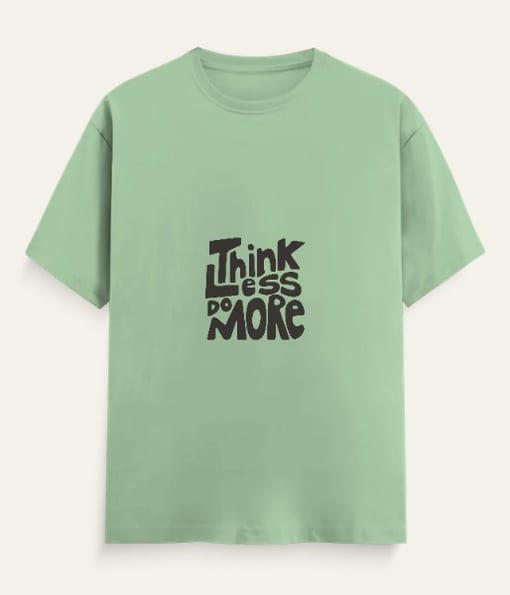
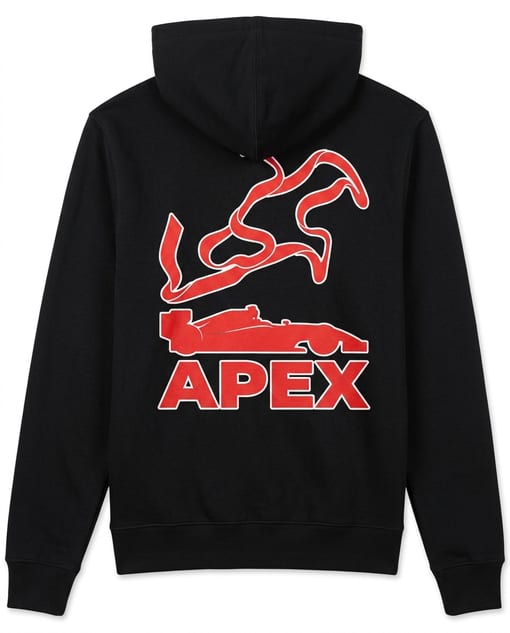
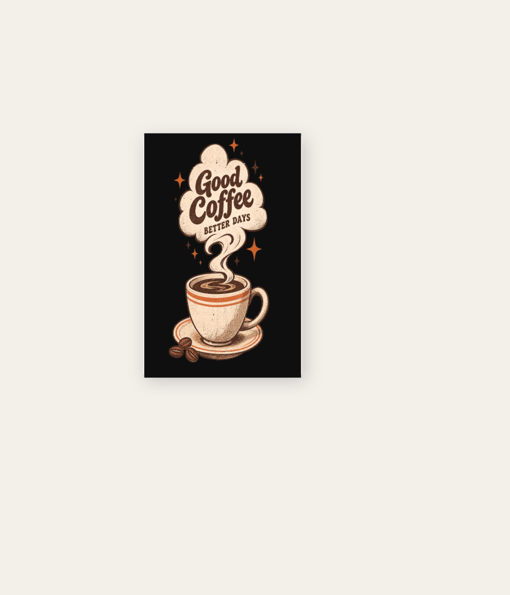
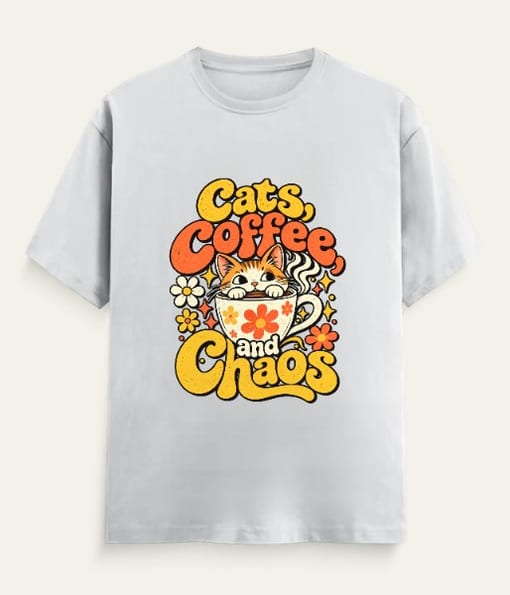
Print on demand does not remove the work of finding a design people want. It removes the cost of finding out the hard way.
Questions people ask
What is print on demand?
A model where a design is only printed after a customer orders it. You upload or generate a design, place it on a product, and the platform handles printing, packing and shipping for each individual order.
Is print on demand profitable in India?
It can be. The margin per piece is the listing price minus the platform's base price for that garment. How much that adds up to depends on how many pieces sell, which depends on the design and the audience, not a fixed percentage.
Do I need to register a business to sell print on demand designs?
On Crayonz you do not ship goods yourself: Crayonz sells and delivers the garment, and you earn the margin. Ask a CA when that income needs a GSTIN. If you later sell your own stock to other states or through a marketplace, GST registration is compulsory from the first sale.
How much does it cost to list a design?
On Crayonz, nothing. Listing is free, and nothing is produced or charged to anyone until a buyer places an order.
Can I sell the same design on my own Instagram or website too?
Yes. Nothing on Crayonz locks a design to the marketplace only; you can link to your listing from anywhere you post.
Your idea, on a shirt, this week.
Upload a photo or describe it. One piece, no minimum, arrives in 4 to 8 days across India.